
Where Ideas Meet History: Academic Conferences in Edinburgh

Introduction
Some cities help you think more clearly, without trying to. Edinburgh is one of them. When you attend an academic conference in Scotland, you usually need to focus during the day and reflect in between sessions. Edinburgh supports both. Its streets, public spaces, and historic atmosphere create natural moments for quiet thinking and better conversation.
In June 2026, many international academics will gather for an education-focused International conference in Edinburgh. This article explains how Edinburgh’s character can support your conference experience, especially if you plan to present research in Edinburgh or meet new collaborators from different countries.
Why Edinburgh Helps Conference Ideas Grow
At an Edinburgh academic conference, your learning does not only happen in lecture halls. It also happens in short moments, such as a walk after a keynote or a conversation on the way to the next session.
Edinburgh makes these moments easy because walking is part of daily life. The city encourages you to move slowly at times, which helps your brain process what you just heard. For education researchers, this is especially valuable. Teaching and learning research often improves through reflection, not only through listening.
If you plan to present research in Edinburgh, these small breaks can also reduce anxiety. A calm walk can help you rehearse your first lines, simplify your message, and prepare for questions.
Old Town and New Town: A Conference Backdrop With Meaning
An International conference in Edinburgh often includes delegates from many cultures and education systems. In that context, the city’s visible history can become a shared point of interest, something everyone can notice and discuss.
Edinburgh’s Old Town and New Town create two very different city experiences within a short distance. You do not need to know architectural terms to feel the contrast. One side feels older and layered. The other feels more open and planned. Together, they create a setting that supports deeper conversation, especially after sessions that deal with society, policy, education, and change.
For an academic conference in Scotland, this matters because conference conversations can become repetitive when the only setting is the venue. In Edinburgh, the city itself offers a change of pace that often leads to better discussion.

The Royal Mile Route for Conference Attendees
If you want one simple route that fits conference life, the Royal Mile is a practical choice. During an Edinburgh academic conference, you rarely have hours of free time. This route works even if you only have one hour.
A helpful way to use it is to treat it as a “repeatable” walk. You can do it more than once and notice different details each time, without needing a new plan every day. In June, the longer daylight makes it easier to walk after sessions without rushing.
This also connects to the idea of a call for papers in Edinburgh experience. When you are preparing abstracts, revising work, or shaping arguments, walking can help you think more clearly. Many researchers find that they solve small problems, like wording or structure, when they step away from screens.
Quiet Places for Reflection After Panels and Presentations
After panels, many people feel full of information. A quiet space helps you sort what matters. This is true for any academic conference in Scotland, but it becomes even more important when you are presenting.
If you plan to present research in Edinburgh, consider building a small routine after each day. You do not need a long process. A simple five-minute review is enough:
- One idea you learned today
- One question you want to explore
- One person you should follow up with
This small habit helps you make the conference more valuable. It also helps your networking feel organized rather than random.
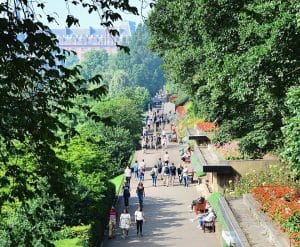
Edinburgh offers many quiet corners, small green areas, and calm public spaces where you can do this without pressure. These spaces help you return to the next day with clearer goals.
Culture That Supports Better Conversations and Networking
A common challenge at an International conference in Edinburgh is that networking can feel forced. Edinburgh helps because culture gives people something natural to talk about, even before research topics begin.
A short museum or gallery visit can act as a “shared experience.” It gives you a common reference point, which often makes conversation easier. For education researchers, cultural places also offer learning examples. You can notice how information is presented, how visitors are guided, and how storytelling supports understanding.
Cafés also play a role. A calm café meeting is often where conference conversations become more meaningful. If you are responding to a call for papers in Edinburgh or planning future submissions, these conversations can help you test ideas and find collaborators.
In Edinburgh, it is often easier to keep networking simple and respectful. One coffee can be enough to begin a long-term professional relationship.
Conclusion
Edinburgh supports conference success in a quiet and steady manner. It gives you space to think between sessions, a setting that encourages real conversation, and a city rhythm that suits academic work. For an Edinburgh academic conference in June, this can make your experience feel deeper and more productive, especially if you plan to present research in Edinburgh.
If you are preparing for a call for papers in Edinburgh, Edinburgh’s calm pace and walkable streets can support your thinking. And if you are attending an International conference in Edinburgh, the city’s history and culture can help your ideas connect with people, not only with the program.